
- All
- Product Name
- Product Keyword
- Product Model
- Product Summary
- Product Description
- Multi Field Search
Views: 0 Author: Site Editor Publish Time: 2025-12-06 Origin: Site


Can you safely lay down an oil-free air compressor? Many users wonder whether orientation during storage or transport could impact their performance. Improper handling, like laying the compressor down, might lead to issues such as reduced efficiency or damage.
In this article, we will explore how laying down an oil-free air compressor can affect its functionality. You will learn about the potential risks and best practices for storing and transporting these crucial machines.
In traditional compressors, oil plays a vital role in lubrication, heat dissipation, and sealing between moving parts. The lubricating oil helps reduce friction, ensuring smooth operation while protecting internal components. This oil also serves as a cooling agent, absorbing heat generated during the compression process. However, oil-based lubrication is not suitable for every application, especially in industries where oil contamination could compromise product quality. This is where oil-free compressors step in, providing an essential solution for contamination-sensitive applications.
| Feature | Traditional Compressor | Oil-Free Compressor |
|---|---|---|
| Lubrication | Uses oil for lubrication | No oil used for lubrication |
| Contamination Risk | Risk of oil contamination | No risk of oil contamination |
| Heat Dissipation | Oil helps with heat dissipation | Requires advanced heat management |
| Maintenance | Requires regular oil changes | Minimal maintenance required |
| Best Use Case | Suitable for non-sensitive applications | Ideal for sensitive applications (e.g., food, pharmaceuticals) |
An oil-free air compressor operates without the need for oil in its compression chamber. Instead, advanced engineering solutions, such as Teflon seals, are used to reduce friction between moving parts. These seals are designed to withstand the stresses and pressures of the system while maintaining the necessary smooth surfaces for efficient operation. This design eliminates the risk of oil contamination, but it does place greater demands on the compressor’s internal components. As there’s no oil to assist with heat dissipation, careful design is needed to prevent overheating.
Despite their oil-free design, orientation still matters for these compressors. Storing or transporting an oil-free compressor improperly, such as laying it down, could affect its seals, bearings, or other internal components, particularly in rotary screw models. When the compressor is laid down, these components could experience undue pressure or stress, which could lead to premature wear or inefficiency once the unit is powered on again. Misalignment of internal components may also occur, which can cause mechanical failures affecting the overall functionality.
Most manufacturers provide detailed recommendations on how to handle and store oil-free compressors. Depending on the model, some compressors are more sensitive to improper orientation than others. Laying a compressor down could lead to misalignment or internal component damage. Always consult the user manual to check if laying down the compressor is advisable for your specific model. Some units may have a design that makes them more resistant to changes in orientation, but others might be more vulnerable to damage.
Incorrectly laying down an oil-free air compressor can lead to various issues. For instance, components like seals and bearings might shift out of alignment, causing them to wear more quickly than if the compressor were stored correctly. This misalignment can result in air leakage, reduced efficiency, and increased risk of system failure. Additionally, without oil in the system, there is no lubrication to help reduce friction, making internal components more prone to damage when subjected to stress or pressure.
| Risk | Potential Impact | Severity |
|---|---|---|
| Misalignment of Components | Damage to seals, bearings, and other internal parts | High |
| Air Leakage | Decreased efficiency and potential system failure | Medium |
| Overheating | Damage to the compressor and reduced lifespan | High |
| Internal Stress | Premature wear of internal components | High |
If an oil-free compressor is laid down, especially for extended periods, it may not function as efficiently when restarted. Issues such as airflow restrictions, excessive heat, or improper pressure levels could arise due to misalignment of key internal components. In severe cases, parts like seals and bearings could be damaged, leading to decreased performance or even failure. Ensuring the compressor is stored in its recommended orientation prevents these problems and helps extend the lifespan of the unit.
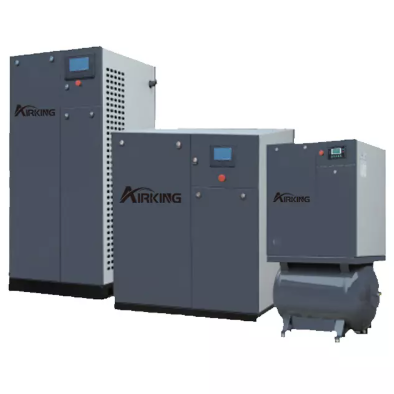
Storing oil-free compressors vertically is considered the best practice. This position helps prevent pressure on seals and bearings, ensuring the components remain properly aligned. Vertical storage reduces the risk of internal damage and helps ensure that moisture or condensation is directed away from critical parts, preventing corrosion. In fact, most manufacturers recommend vertical storage to maintain the compressor’s functionality and integrity.
Heat dissipation is a critical consideration for oil-free compressors. Without oil to absorb and dissipate heat, these compressors are more susceptible to overheating. It's essential to store the compressor in a well-ventilated space, away from direct sunlight or heat sources. In environments where temperatures fluctuate or are consistently high, additional cooling measures should be implemented to maintain optimal operating conditions. Ensuring that the compressor is stored in a cool, dry location is vital to keeping it running efficiently over time.
When transporting an oil-free compressor, it's crucial to keep the unit upright and secure. Using shock-absorbing materials, such as foam padding, is essential to prevent the compressor from shifting or vibrating during transit. Vibrations could lead to misalignment of internal components, causing performance issues once the unit is operational again. Always check the manufacturer’s instructions for specific handling guidelines during transportation, as each model may have unique requirements.
| Best Practice | Recommendation |
|---|---|
| Storage Orientation | Store vertically to avoid internal damage |
| Ventilation and Heat Management | Ensure proper airflow and avoid high-temperature environments |
| Transporting | Keep the compressor upright and secure during transit |
| Shock Absorption | Use shock-absorbing materials to prevent internal shifts |
| Manufacturer's Guidelines | Always follow the specific storage and transport instructions |
Incorrect storage, such as laying down an oil-free air compressor, can lead to several significant issues. One of the most common problems is misalignment of parts, especially the seals and moving components. When the compressor is not stored properly, components like the bearings, pistons, and seals may shift or become stressed. This misalignment can cause air leakage, which in turn reduces the efficiency of the compressor. As the system works harder to maintain performance, the wear on its internal components increases, accelerating their deterioration.
In addition to misalignment, improper positioning can also disrupt the functioning of the cooling system. Oil-free compressors rely on careful engineering to dissipate heat, and when stored improperly, the heat-dissipating components, such as the cooling fins or fans, may not perform optimally. Without proper heat management, the compressor may overheat, causing further damage to sensitive parts and reducing its overall lifespan. Over time, these issues can compound, leading to costly repairs and a shorter operational lifespan for the compressor.
Some of the issues caused by incorrect storage may show up quickly, while others may take time to become apparent. In the short term, you may notice a decline in the compressor’s performance, such as decreased airflow, lower efficiency, or higher energy consumption. These immediate effects are often a result of misalignment or overheating, both of which place additional strain on the system.
However, the long-term damage caused by improper storage can be far more severe. As the internal components of the compressor continue to wear down due to misalignment or excessive heat, more significant issues may arise. For example, seals may become permanently damaged, leading to air leakage and further inefficiency. The cooling system might also fail over time, causing the compressor to overheat and potentially fail completely. In some cases, these issues can require expensive repairs or even a complete replacement of the unit. Identifying and addressing these problems early—before they escalate—can help preserve the compressor’s functionality, extend its service life, and prevent costly downtime.
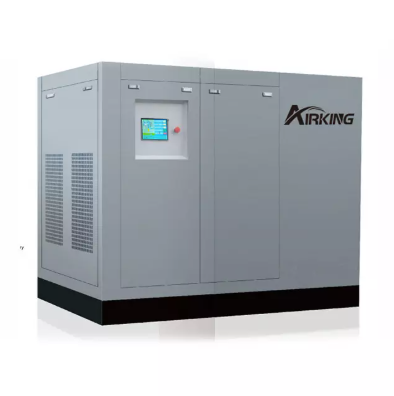
To ensure that your oil-free air compressor continues to perform at its best and lasts longer, regular maintenance is crucial. Start with cleaning the air filters, which can become clogged with dust and debris over time, reducing airflow and efficiency. A clean filter ensures that the compressor gets enough air to operate efficiently, preventing unnecessary strain on the system.
In addition to air filters, inspecting seals for wear is important. Seals help maintain internal pressure and prevent leaks, but they can degrade over time, especially with continuous use. Replacing seals when they show signs of wear helps avoid air leaks and ensures the compressor runs efficiently. It’s also essential to check the compressor for any leaks around the body or connections. Even small leaks can reduce performance and increase energy consumption.
Regular inspection of key components such as seals, air filters, and pressure valves is vital in identifying potential problems before they worsen. Seals are particularly important as they are responsible for maintaining the compressor's pressure levels. If a seal becomes damaged, it can cause air to leak, reducing the efficiency and effectiveness of the compressor. Regularly checking for cracks or signs of deterioration ensures that you can replace the seals before they fail completely.
Air filters are also crucial to monitor. A clogged filter restricts airflow, which can cause the compressor to work harder and consume more energy. Cleaning or replacing the air filters regularly will help maintain optimal airflow and reduce the strain on the compressor. Pressure valves are another important part to inspect, as they regulate the compressor’s internal pressure. A malfunctioning valve can cause the compressor to operate inefficiently or, in extreme cases, lead to overheating or failure.
Oil-free compressors are essential for industries requiring clean, uncontaminated air. However, proper storage and handling are vital for maintaining their long-term performance. Laying down an oil-free air compressor is generally not recommended unless the manufacturer specifies it as safe. Improper orientation can cause internal damage, inefficiency, or component failure.
Always adhere to the manufacturer’s guidelines for storage and transport. When unsure, store the compressor vertically and ensure proper ventilation. Regular maintenance and inspections will help extend the compressor's lifespan.
For businesses like AIRKING, ensuring the optimal performance of air compressors through regular care and following storage instructions is key. AIRKING products provide value with their high-quality design and excellent after-sales service, delivering reliable performance for various industrial needs.
A: It's generally not recommended to lay down an oil-free air compressor unless specified by the manufacturer. Improper orientation can cause misalignment of components and affect performance.
A: Storing the oil-free air compressor vertically helps maintain internal component alignment, prevents overheating, and ensures efficient performance.
A: Improper storage can lead to air leakage, reduced efficiency, internal damage, and potentially costly repairs, especially if the compressor is laid down.
A: Regular maintenance, proper storage, and following the manufacturer’s guidelines help extend the life of an oil-free air compressor and ensure optimal performance.
