
- All
- Product Name
- Product Keyword
- Product Model
- Product Summary
- Product Description
- Multi Field Search
Views: 0 Author: Site Editor Publish Time: 2025-12-12 Origin: Site


Are you ensuring the longevity of your oil-free air compressor? In industries that rely on clean, uncontaminated air, these compressors are essential. However, without proper maintenance, their performance can quickly decline.
In this article, we will discuss key maintenance practices that help you keep your oil-free air compressor running smoothly. By following these simple steps, you can avoid costly breakdowns and improve efficiency.
Oil-free air compressors are designed to operate without the use of lubrication within the compression chamber. Instead of relying on oil, these units use materials such as Teflon and PTFE seals to reduce friction and protect internal components. These components are engineered to provide a smooth, low-friction surface, ensuring the compressor works efficiently.
In an oil-free compressor, there is no oil to dissipate heat, making it more dependent on the compressor’s design to stay efficient. Since oil-based contamination is eliminated, air quality remains intact, which is especially critical in industries that require pure, uncontaminated air. However, without oil for cooling, these systems must have reliable heat management mechanisms in place to prevent overheating.
Though oil-free compressors require less maintenance than their oil-lubricated counterparts, they still need regular attention. Proactive maintenance ensures that these machines continue to operate optimally, preventing the minor issues from developing into costly repairs.
Maintaining an oil-free compressor properly can significantly reduce long-term costs. Regular care, such as inspecting seals and replacing filters, ensures that your compressor remains efficient and extends its service life. The cost-effectiveness of these actions becomes clear when considering the high repair costs that can arise from neglecting these simple but crucial tasks.
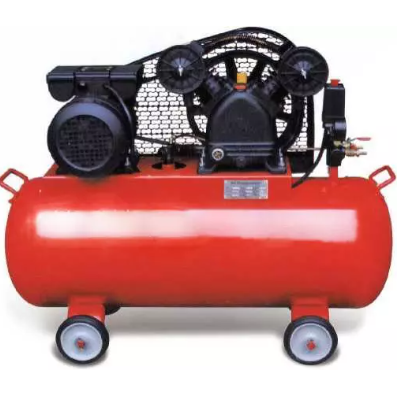
Air filters play a significant role in the performance of oil-free compressors. Over time, dust, dirt, and other contaminants can clog the filters, forcing the compressor to work harder, which in turn increases wear on internal components. Keeping air filters clean prevents the compressor from straining and ensures optimal airflow.
Air filters should be replaced every 1,000 to 2,000 hours of operation, though this may vary depending on environmental conditions and compressor usage.When air filters are clean, the compressor can maintain better airflow, ensuring that the system runs efficiently and without overheating. Clean filters also reduce the risk of contaminants reaching the sensitive components inside the compressor.
| Usage Condition | Replacement Frequency |
|---|---|
| Light Usage (1-2 hours/day) | Every 2,000 hours |
| Moderate Usage (2-5 hours/day) | Every 1,500 hours |
| Heavy Usage (5+ hours/day) | Every 1,000 hours |
| High Dust/Contaminants | Every 800-1,000 hours |
Seals are essential for the efficiency of oil-free compressors. Their job is to prevent air from leaking, which would otherwise reduce pressure and force the system to consume more energy. Worn or damaged seals can cause significant performance issues, so regular inspection and timely replacement are crucial.
Seals should be inspected every 2,000 to 8,000 hours of operation, depending on usage. Look for visible signs of wear, such as cracks or gaps. If any degradation is noticed, replace the seals immediately to prevent air leaks that could result in performance loss.
| Operating Hours | Seal Inspection Frequency |
|---|---|
| 2,000-4,000 hours | Inspect every 2,000 hours |
| 4,000-8,000 hours | Inspect every 4,000 hours |
| Over 8,000 hours | Inspect every 6,000 hours |
| Worn seals | Replace immediately |
Managing the temperature of an oil-free compressor is critical to its longevity. Without oil to dissipate heat, these compressors can easily overheat, leading to potential damage. Regular monitoring of operating temperatures and ensuring adequate cooling are vital.
Make sure that the compressor’s cooling system is functioning correctly. Check that the air intake is clean and free from debris, which could obstruct airflow and reduce the effectiveness of the cooling system.Regularly check the compressor’s temperature and ensure it stays within the manufacturer’s recommended range to prevent overheating, which could cause premature wear on the internal components.
| Compressor Model | Recommended Operating Temperature Range |
|---|---|
| Small Reciprocating Compressors | 90°F - 100°F (32°C - 38°C) |
| Medium Rotary Screw Compressors | 85°F - 95°F (29°C - 35°C) |
| Large Rotary Screw Compressors | 80°F - 90°F (27°C - 32°C) |
| High-Pressure Compressors | 100°F - 110°F (38°C - 43°C) |
Leaks can be detrimental to the performance of any compressor, including oil-free models. Even a small leak can result in reduced pressure, causing the system to work harder and consume more energy. Regular inspections for leaks around seals, hoses, and connections are critical to maintaining the compressor's efficiency.
Visual inspections should be conducted regularly to detect any leaks in the system. Pay close attention to the seals and fittings that connect components.Leaks waste energy by causing the compressor to lose pressure. By addressing leaks promptly, you can maintain the system’s efficiency and reduce energy costs.
| Type of Leak Check | Frequency | Method of Detection |
|---|---|---|
| Visual Inspection | Every 500-1,000 hours | Look for visible cracks or wear on seals and fittings |
| Pressure Test | Every 2,000 hours | Test for pressure drops and listen for hissing noises |
| Component Replacement | As needed | Replace components if leaks are detected |
Oil-free compressors rely on moving parts such as pistons, rotors, and bearings to generate pressure and facilitate air movement. Over time, these parts may experience wear and tear due to constant movement. Regularly inspecting these parts ensures that any issues, such as misalignment or excessive wear, are addressed before they cause a breakdown.
Focus on moving parts like pistons and rotors in reciprocating compressors, or rotors in rotary screw compressors.Unusual sounds, such as grinding or clicking noises, and reduced performance are key signs that internal moving parts may be wearing out.
Thermal protection is crucial for oil-free air compressors, as they rely on external cooling mechanisms to manage heat. Without the cooling properties of oil, these compressors are more vulnerable to thermal stress. Maintaining the temperature within an optimal range ensures the system’s efficiency and longevity.
Regularly check the heat load of the compressor and ensure that cooling components are clean and functional.Ensure that the compressor operates within the recommended temperature range. Overheating can result in thermal expansion and cause parts to fail prematurely.
The safety valve is a crucial safety feature in an oil-free compressor. It prevents the compressor from exceeding its maximum pressure, which could lead to dangerous situations or equipment damage. Regularly checking the valve helps maintain safety and ensures the compressor operates within safe limits.
Run the compressor until it reaches its shut-off pressure, and then activate the safety valve to ensure that it releases pressure correctly. If the safety valve fails to close or does not release pressure when required, it must be replaced immediately to prevent safety risks.
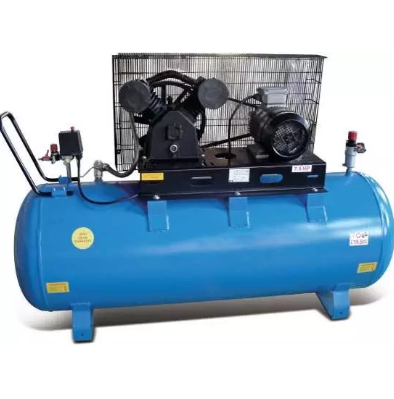
Excessive noise can indicate mechanical issues with an oil-free compressor. Unusual sounds, such as grinding or whistling, may be caused by worn parts or insufficient lubrication. These issues should be addressed immediately to prevent further damage and avoid costly repairs.
Listen for noises such as rattling, grinding, or excessive whistling during operation. These noises often signal that moving parts are misaligned or worn out.Check for loose parts or damaged seals. Ensure proper alignment and tightening of all components to reduce operational noise.
If the compressor shows signs of reduced efficiency, it could be due to various internal issues, such as clogged filters, worn seals, or overheating. Identifying the root cause and addressing it promptly is essential for maintaining the system's performance.
If the compressor takes longer to reach pressure or cannot maintain a consistent pressure, investigate possible causes such as air filter blockage, leaks, or worn seals.Replace air filters, check for leaks, and ensure that all seals are intact and functioning correctly. Monitoring the compressor’s temperature regularly can also help detect overheating issues.
The manufacturer’s maintenance schedule provides a structured plan for keeping your oil-free compressor in optimal condition. These schedules are based on years of experience and testing, and they are the most reliable guide for regular maintenance tasks. By following these guidelines, you can avoid costly breakdowns and extend the life of your compressor.
Stick to the recommended intervals for inspections, part replacements, and cleaning. By staying on top of these tasks, you can keep your compressor running efficiently for longer.Keeping a detailed service log helps track maintenance activities and ensures that no necessary tasks are overlooked.
The operating environment of an oil-free compressor can significantly impact its performance and longevity. Factors such as dust, humidity, and temperature can accelerate wear on components. Tailoring your maintenance tasks to suit these environmental factors will help mitigate the risks associated with extreme environments.
In dusty or humid environments, you may need to clean or replace filters more frequently to prevent blockages. Ensure that the compressor is operating in a well-ventilated area to avoid overheating.Use high-quality air filters and ensure the surrounding area remains clean. Implementing these practices will reduce the strain on the compressor and help it perform better over time.
Maintaining an oil-free air compressor is essential for ensuring its long-term efficiency and reliability. By following a proactive maintenance schedule, performing regular inspections, and addressing issues early, you can extend the life of your compressor and minimize downtime. Proper care will not only save on repair costs but also improve overall productivity in your operations. With proper maintenance, an oil-free air compressor can continue to deliver clean, reliable air for years to come.
For those seeking high-quality compressors, AIRKING offers products designed for maximum performance. Their oil-free air compressors are built to deliver efficiency and reliability, providing value for industries across the board. AIRKING ensures that customers receive top-notch service and exceptional products tailored to meet demanding industrial needs.
A: An oil-free air compressor operates without the need for lubrication in the compression chamber, using materials like Teflon to reduce friction and ensure clean air.
A: Regular maintenance includes changing air filters, inspecting seals, monitoring temperature, and checking for leaks to ensure optimal performance and longevity.
A: Proper maintenance keeps the compressor running efficiently, prevents breakdowns, and extends its lifespan, ultimately saving on repair costs and minimizing downtime.
A: Replace the air filter every 1,000 to 2,000 hours of operation, depending on the usage and environmental conditions, to maintain airflow and prevent overheating.
A: Unusual noise may indicate worn parts or misalignment. Check for loose components, inspect seals, and ensure the moving parts are properly aligned.
