
- All
- Product Name
- Product Keyword
- Product Model
- Product Summary
- Product Description
- Multi Field Search
Views: 0 Author: Site Editor Publish Time: 2026-01-07 Origin: Site


Centrifugal compressors are crucial for industries like power generation and refrigeration. But how fast do they actually turn? Understanding their RPM is key to optimizing performance. In this article, we will explore the typical speed of a centrifugal compressor and the factors influencing its RPM.
A centrifugal compressor is a dynamic compressor that uses centrifugal force to compress gas. It operates by accelerating the gas through a rotating impeller, and as the gas flows outward from the center of the impeller, it gains speed. The gas is then directed into a diffuser, where the speed of the gas decreases, and its kinetic energy is converted into pressure.
This compression mechanism makes centrifugal compressors ideal for applications that require high flow rates and relatively low pressure increases in fewer stages, such as air separation, gas turbines, and refrigeration systems.
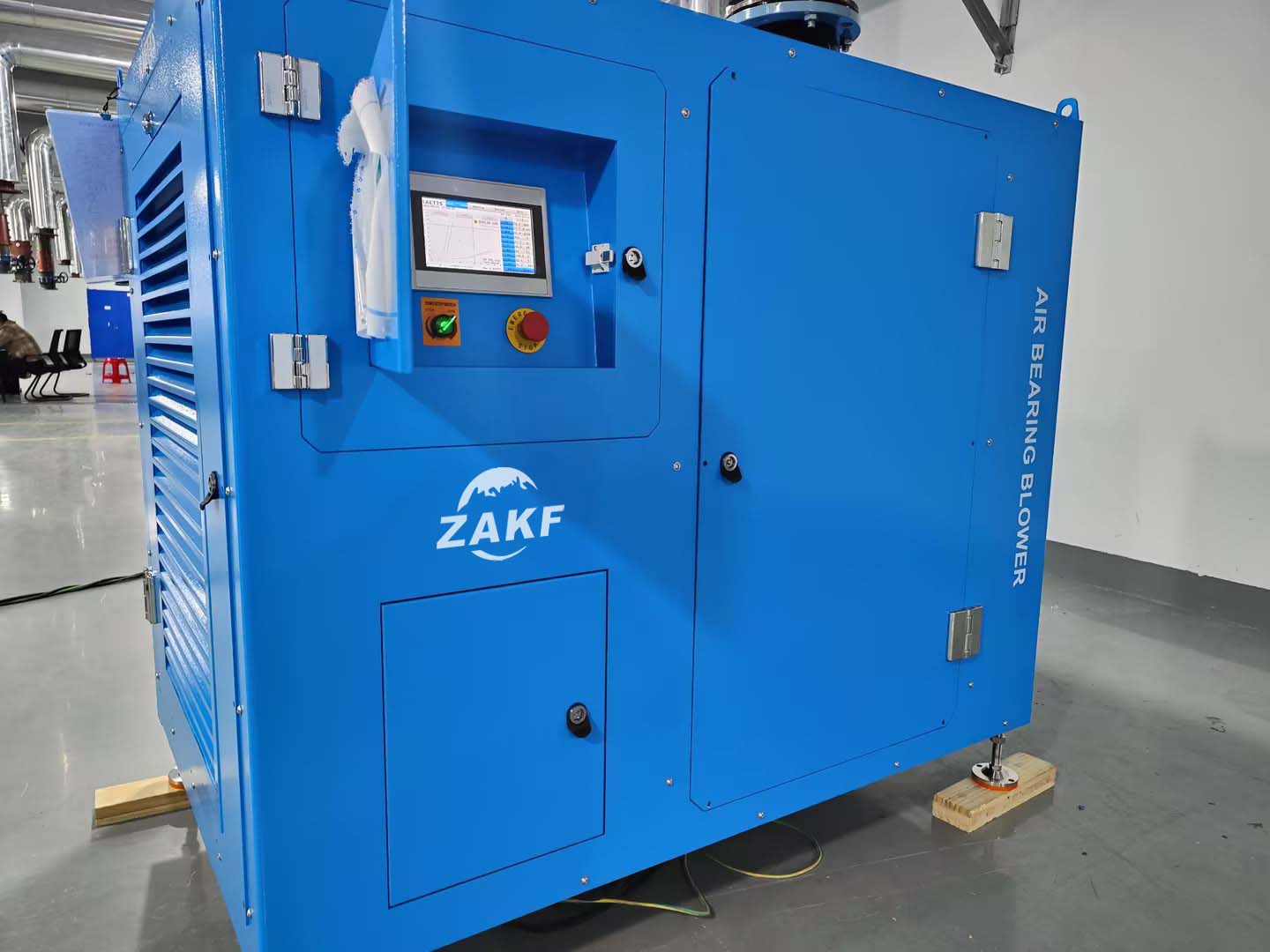
The operation of a centrifugal compressor involves three primary steps:
1. Acceleration: Gas enters the compressor at the center of the rotating impeller. The impeller accelerates the gas as it spins at high speed, transferring energy to the gas.
2. Speed to Pressure: After exiting the impeller, the gas enters a diffuser, where the gas slows down and the kinetic energy is converted into pressure. The diffuser’s shape helps reduce the speed of the gas while increasing its pressure.
3. Discharge: Finally, the high-pressure gas is discharged from the compressor and directed toward its intended application, whether it’s to a turbine, refrigeration system, or gas pipeline.
This process of converting kinetic energy into pressure allows centrifugal compressors to achieve higher pressures without the need for external energy input. These compressors are widely used in turbomachinery, compressor stations, and cooling systems due to their simplicity and efficiency in handling large volumes of gas.
The speed of centrifugal compressors is a critical factor that determines their ability to generate pressure and their efficiency in different applications. Typically, centrifugal compressors for industrial use operate in the range of 3,000 to 10,000 RPM. This speed range is ideal for large-scale operations where the compressor is used to handle large volumes of air or gas. High-speed centrifugal compressors, commonly used in smaller applications, can reach speeds as high as 25,000 RPM. These higher speeds allow for more rapid pressure buildup, which is essential for smaller systems that need quick responses.
The RPM, or revolutions per minute, is a key parameter that influences the overall performance of a centrifugal compressor. As the speed of the compressor increases, the rate at which it compresses the gas also increases. Faster compressors are capable of accelerating the gas more quickly, which in turn leads to higher pressures being achieved in fewer stages of compression.
However, it's important to note that compressor speed must be aligned with the specific requirements of the application. For example, while high-speed compressors are necessary for situations where rapid pressure buildup is needed, they may not be ideal for large-scale operations that require a steady flow of gas over a long period. In these cases, low-speed compressors, which handle larger volumes at lower pressures, may be more appropriate.
The relationship between RPM and pressure generation is especially critical in industries such as gas turbines, refrigeration, and chemical processing, where compressors must operate at high efficiency while ensuring the required pressure levels are maintained.
The distinction between high-speed and low-speed centrifugal compressors largely revolves around their RPM and the resulting pressure and flow characteristics. These differences make each type of compressor suitable for specific applications:
Compressor Type | Typical RPM | Applications | Advantages |
High-Speed Compressors | Up to 25,000 RPM | Gas turbines, small-scale refrigeration, turbochargers | Faster response, compact design, higher pressure output |
Low-Speed Compressors | 3,000 - 7,000 RPM | Large-scale industrial, chemical processing, oil & gas | More energy-efficient, better for large volumes, better for continuous operation |
High-speed compressors are often preferred in applications where fast pressure buildup is required, while low-speed compressors are suited to applications requiring large flow rates at lower pressures.
Understanding the operating speed is essential when selecting a centrifugal compressor. High-speed compressors offer quick, high-pressure performance in compact applications, while low-speed compressors are better for large-scale systems requiring more gas flow at moderate pressures.
The size and design of a centrifugal compressor directly impact its speed. Larger compressors designed for high-flow applications typically operate at lower speeds. The goal of these compressors is to move large volumes of air or gas while maintaining efficiency across multiple stages of compression.
● Small Compressors: Small-scale compressors are designed to operate at higher speeds, often exceeding 15,000 RPM. These compressors are used in applications where space is limited, and the compressor needs to provide rapid pressure increases in a compact unit.
● Large Compressors: Larger, multi-stage compressors typically operate at speeds of 3,000 to 7,000 RPM, allowing them to efficiently handle larger volumes of gas over a series of stages without generating excessive heat or stress on the components.
Impeller Design: The impeller design plays a significant role in determining the speed of a centrifugal compressor. Backswept impellers are often used in high-speed compressors because they minimize the resistance to airflow, improving efficiency and enabling higher speeds. On the other hand, impellers in larger, low-speed compressors are typically designed to optimize gas flow at slower speeds.
The operational environment in which a centrifugal compressor functions also impacts its speed requirements. Inlet pressure, temperature, and gas composition all play a role in determining how fast a compressor must turn to achieve optimal compression.
● High Inlet Pressure: Compressors operating at high inlet pressures require less speed to achieve the same pressure increase, allowing for a lower RPM.
● Low Inlet Pressure: If the compressor is operating at a low inlet pressure, it will need to run at higher speeds to generate the required pressure increase.
Additionally, ambient temperature and gas composition (e.g., molecular weight of the gas) can alter the compressor's speed requirement. Gases with lower molecular weights, like hydrogen, require faster compressors to achieve the same pressure as denser gases like air or nitrogen.
The speed at which a centrifugal compressor operates plays a pivotal role in its overall efficiency and performance. The RPM (revolutions per minute) of the compressor determines how quickly it can compress the gas or air passing through it, which directly affects the time required to achieve the desired pressure. In essence, the higher the RPM, the faster the gas is compressed, and the fewer stages are needed to reach the target pressure.
High-speed centrifugal compressors are designed to operate at faster RPMs, often reaching up to 25,000 RPM in smaller applications. These compressors are ideal for processes where a rapid pressure increase is required in a short period. For instance, in gas turbines or turbochargers, high-speed compressors provide the necessary high pressure in fewer stages, improving the overall speed and efficiency of the system.
However, the faster the compressor operates, the more mechanical stress is placed on its components, such as impellers, bearings, and seals. This increased stress leads to higher energy consumption, as more power is required to maintain the high RPM. Additionally, high-speed compressors tend to have higher wear rates, leading to more frequent maintenance and potentially higher long-term operational costs.
Compressor Speed | Performance | Efficiency |
High-Speed Compressors | Higher pressure ratios, fewer stages | Higher energy consumption, higher wear rates |
Low-Speed Compressors | Lower pressure ratios, more stages | More energy-efficient, less mechanical stress |
In contrast, low-speed centrifugal compressors operate at lower RPMs, typically in the range of 3,000 to 7,000 RPM. These compressors are designed for larger-scale applications that require high-flow rates and steady pressure output, such as in chemical processing or oil & gas industries. Low-speed compressors handle large volumes of gas more efficiently, making them ideal for applications that need to process large amounts of air or gas over an extended period.
While low-speed compressors require more stages to achieve the same pressure increase as high-speed compressors, they are more energy-efficient in these applications, as the reduced RPM results in less mechanical stress on components. The trade-off, however, is the need for multiple stages, which increases the physical size and complexity of the compressor.
Compressor Speed | Performance | Efficiency |
High-Speed Compressors | Higher pressure ratios, fewer stages | More energy consumption, higher wear rates |
Low-Speed Compressors | Lower pressure ratios, more stages | More energy-efficient, less mechanical stress |
The speed at which a centrifugal compressor operates not only affects its efficiency and performance but also impacts the frequency and type of maintenance required. As centrifugal compressors run at high speeds, their internal components are subjected to significant mechanical stress. Over time, this stress leads to wear on parts like impellers, seals, and bearings.
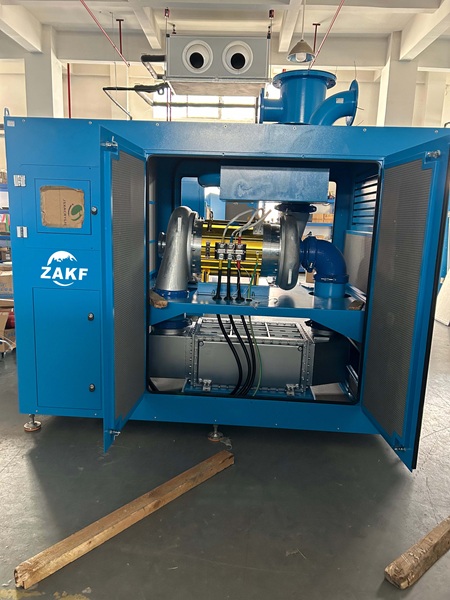
Because of the high rotational speeds, high-speed centrifugal compressors are prone to heat generation and friction, which can cause components to wear out more quickly. As a result, regular maintenance is required to ensure continued optimal performance. This maintenance may include:
● Bearing checks: Bearings are highly stressed at high RPMs and may need to be checked frequently for signs of wear.
● Seal replacements: Seals prevent gas leakage and maintain pressure. They are subject to wear and need regular replacement.
● Impeller inspections: The impellers are responsible for accelerating the gas, and damage to them can lead to reduced performance.
Due to these factors, high-speed compressors often have higher maintenance costs and more frequent downtime, impacting the overall operational cost and efficiency.
Low-speed centrifugal compressors experience less mechanical stress, and therefore, require less frequent maintenance. With slower rotational speeds, the internal components undergo less wear and tear, leading to lower maintenance costs and longer service intervals.
However, because low-speed compressors often operate with multiple stages, they require more extensive maintenance and inspection across a larger system. Even though the maintenance requirements are fewer, their larger physical size and complexity may require more time and resources for upkeep.
One of the key advantages of centrifugal compressors over reciprocating compressors is their ability to provide a continuous flow of compressed gas with minimal pulsation. This makes centrifugal compressors ideal for large-scale operations that require steady, high-flow output.
● Centrifugal Compressors: Operate at high speeds, ideal for large-scale applications requiring steady, continuous gas compression with minimal pulsation.
● Reciprocating Compressors: These compressors use pistons to compress gas, generating higher pressures at lower flow rates. However, they produce pulsations, which can affect system stability, and require more maintenance due to the moving parts.
Another commonly used type of compressor is the screw compressor, which operates at a lower speed compared to centrifugal compressors. Screw compressors are quieter and less pulsating, but they tend to be less efficient at high pressures compared to centrifugal compressors.
● Centrifugal Compressors: Better for high-flow, continuous operations. They provide higher efficiency at higher pressures but may require more maintenance.
● Screw Compressors: These compressors are quieter and produce less pulsation but are typically less efficient at high pressures, making them ideal for smaller, less demanding applications.
While centrifugal compressors are often the choice for large-scale, continuous operations, screw compressors are ideal for systems that require low noise and less pulsation.
Centrifugal compressors play a vital role in industries that require efficient gas compression. Their speed, measured in RPM, directly impacts their ability to generate pressure. High-speed compressors offer quick responses and compact designs, while low-speed compressors excel in handling large volumes. Choosing the right compressor speed is crucial for optimal performance, energy efficiency, and longevity. Chieftech Metal Technology Co., Ltd. offers centrifugal compressors designed for various applications, delivering reliable performance, efficiency, and extended service life.
A: A typical centrifugal compressor usually operates between 3,000 to 10,000 RPM. High-speed models can reach up to 25,000 RPM in smaller applications.
A: The speed of a centrifugal compressor is influenced by its size, design, and operational conditions like inlet pressure and temperature.
A: Compressor speed affects efficiency and performance. High-speed centrifugal compressors provide faster pressure increases, while low-speed compressors handle larger volumes more efficiently.
A: High-speed centrifugal compressors require more frequent maintenance due to higher mechanical stress. Low-speed compressors generally experience less wear.
