
- All
- Product Name
- Product Keyword
- Product Model
- Product Summary
- Product Description
- Multi Field Search
Views: 0 Author: Site Editor Publish Time: 2026-01-03 Origin: Site


Have you ever wondered how your air compressor manages to keep everything running smoothly? From powering pneumatic tools to providing air for spray painting, compressors play a vital role in many industries. But how does it work so efficiently? The key to ensuring an air compressor operates optimally lies in adjusting its pressure switch.
In this comprehensive guide, we’ll take you through the process of adjusting the pressure switch on your air compressor. This includes step-by-step instructions and important maintenance tips, which will help you maintain your air compressor in top condition, avoid unnecessary wear, and increase its lifespan.
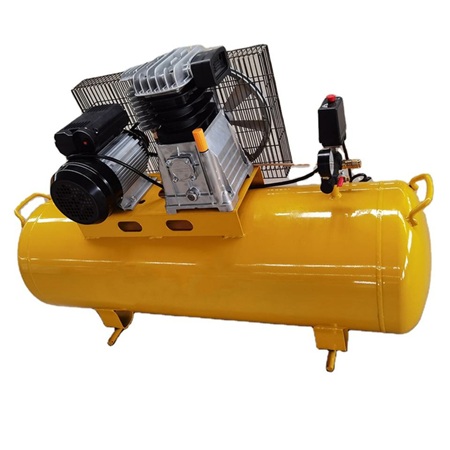
The pressure switch is a critical component in any air compressor system. It monitors the air pressure inside the compressor’s tank and controls the system's on and off cycles. When the pressure inside the tank falls below a set value (the cut-in pressure), the pressure switch activates the compressor, causing it to start compressing air. When the pressure reaches the upper limit (the cut-out pressure), the switch turns the compressor off.
The accuracy of these pressure settings is crucial to the compressor's performance. Incorrect pressure settings can lead to:
● Inefficient operation: If the compressor is not operating within the right pressure range, it can either overwork or underperform, wasting energy.
● Increased energy consumption: A poorly calibrated switch can result in the compressor running longer than necessary or stopping prematurely, leading to higher energy bills.
● Motor wear: Continuous cycling due to incorrect settings can lead to increased wear on the motor, shortening the lifespan of the compressor.
The pressure switch is essential for maintaining consistent and optimal air pressure levels, which is necessary for powering tools and machinery. With a properly functioning switch, your air compressor will run efficiently and last longer, saving you both time and money.
The operation of a pressure switch is based on a combination of mechanical and electrical components that work together to control the air compressor's on/off cycles. The core mechanism behind the pressure switch is the diaphragm, a flexible component inside the switch that responds to changes in the air pressure within the tank.
1. When the tank fills with air, the internal pressure rises.
2. Once the pressure reaches the cut-out threshold, the diaphragm moves and presses against the switch mechanism. This movement opens or closes the electrical contacts, cutting off power to the compressor and stopping it from running.
3. When the pressure drops to the cut-in value, the diaphragm returns to its original position, closing the contacts and completing the electrical circuit. This action turns the compressor back on.
Several key components within the pressure switch work together to ensure accurate and reliable operation:
● Contacts: These conductive parts complete or break the electrical circuit, turning the compressor motor on and off based on the pressure level.
● Relief Valve: This component releases trapped air when the contacts open, preventing excessive pressure buildup in the switch.
● Adjustment Springs: These are used to adjust the cut-in and cut-out pressures, allowing you to calibrate the switch for precise control of the compressor’s operation.
Calibrating the pressure switch correctly ensures that the air compressor operates efficiently, preventing unnecessary wear and tear on the motor. Accurate calibration leads to better energy efficiency and fewer maintenance issues in the long run.
Adjusting the pressure switch on your air compressor is essential to ensure its efficient operation and longevity. The pressure switch controls when your compressor turns on and off, helping to maintain the proper air pressure inside the tank. If you don’t adjust it properly, your compressor may either overwork or fail to perform efficiently. This step-by-step guide will walk you through the process of adjusting your air compressor's pressure switch, ensuring it runs smoothly and lasts longer.
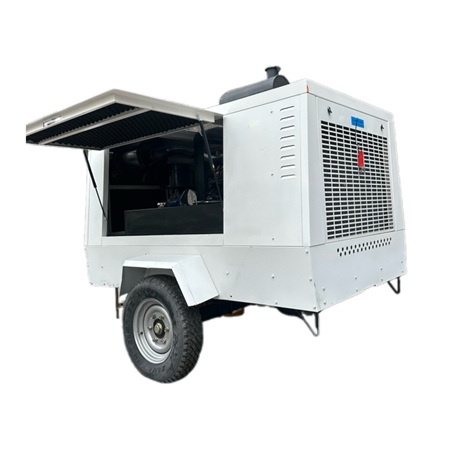
Before adjusting any part of your air compressor, safety should always be your top priority. Air compressors work under high pressure, which can be dangerous if not handled properly. By following these safety precautions, you minimize the risk of accidents and ensure a smooth adjustment process.
The first step in safely adjusting your air compressor is to disconnect the power. Turn off the compressor and unplug it from the electrical outlet. This is important to prevent any accidental activation of the compressor during the adjustment process. Even though the unit is turned off, it can still pose an electrical risk if it remains plugged in. Always ensure the compressor is fully powered down before starting any work on it.
After disconnecting the power, the next critical safety step is to release any residual pressure inside the compressor's tank. Even if the compressor is off, there may still be trapped air inside the tank, which can pose a safety risk. To release the pressure, open the drain valve located at the bottom of the air tank. This will allow any remaining air to escape. Wait until the pressure gauge on the compressor reads zero before proceeding to the next step. This ensures that there is no pressurized air left in the system that could cause injury or malfunction.
Tip: Always check the pressure gauge to confirm that the tank is completely depressurized before you proceed with the adjustment.
The pressure switch on your air compressor controls the on/off cycle by monitoring the pressure inside the tank. Identifying and understanding the components of the pressure switch is key to making the necessary adjustments. Let’s walk through how to locate the switch and identify its components.
On most air compressors, the pressure switch is located on the side of the tank. It is usually a small, rectangular box that is often black or grey in color. Depending on the model, the switch may be mounted directly on the tank or near the motor. In some cases, the pressure switch might be located along the air line.
To find the pressure switch, look for a box with electrical connections and typically two visible screws. The pressure switch is usually connected to a set of wires leading from the motor, as well as a small pressure gauge for monitoring pressure levels.
Once you have located the pressure switch, familiarize yourself with the key components that will allow you to make the necessary adjustments:
● Adjustment Screws: These screws are the primary mechanism for adjusting the pressure settings. The larger screw typically adjusts the cut-out pressure (the upper pressure threshold), while the smaller screw adjusts the cut-in pressure (the lower pressure threshold). These screws allow you to set the compressor’s on/off cycle.
● Electrical Contacts: The electrical contacts are the components that open and close to activate the compressor based on pressure readings. The pressure switch monitors these contacts to determine whether to start or stop the compressor.
● Relief Valve: The relief valve is an important safety feature. It is designed to release trapped air when the contacts open. This prevents excessive pressure buildup within the switch and ensures safe operation of the air compressor.
Understanding the key components of the pressure switch is essential for effective adjustment. By knowing what each part does, you’ll be able to make precise adjustments to improve compressor performance.
Before making any adjustments, it’s important to observe the current pressure cycle of your air compressor. This will allow you to understand how the compressor is currently performing and what changes need to be made. Let’s go through the steps to observe the cycle and gather important data.
Once you have located the pressure switch and identified the components, it’s time to test the pressure settings. Turn the air compressor on and allow it to run through a full cycle. Monitor the pressure gauge closely to observe the cut-in and cut-out pressures. The cut-in pressure is the point at which the compressor turns on when the tank pressure falls below a certain threshold. The cut-out pressure is the point at which the compressor shuts off when the pressure in the tank reaches the desired upper limit.
As the compressor cycles, carefully watch the pressure readings and take note of the values at which the compressor turns on and off. This will give you a baseline for your adjustments and help you understand whether the current settings are working effectively.
It’s important to record the cut-in and cut-out pressures you observed during the test. Write down the values on a piece of paper or in a note-taking app for future reference. These recorded values will serve as your baseline when making adjustments.
By having these values, you’ll know exactly what pressure settings your compressor is currently using. This will allow you to determine if you need to increase or decrease the pressure settings for better efficiency or performance.
For example, if the compressor is cycling too frequently or running for long periods, you may need to adjust the cut-in and cut-out pressures to reduce unnecessary wear. On the other hand, if the compressor is not providing enough pressure to your tools, you may need to increase the pressure settings.
Tip: If you’re unsure about the readings, it may be helpful to run the cycle multiple times and average the results to get more accurate measurements.
For more advanced compressors, such as centrifugal compressors or Variable Speed Drive (VSD) compressors, the pressure switch is often part of a digital control system. These systems use microprocessors to monitor and adjust the pressure continuously, allowing for more precise control compared to traditional mechanical switches.
1. VSD Compressors These compressors adjust the motor speed rather than turning the compressor on and off. This provides a more consistent supply of compressed air while improving energy efficiency.
2. Centrifugal Compressors Often used in high-demand applications, centrifugal compressors use multiple sensors and automated control systems to adjust the pressure dynamically, ensuring the compressor operates efficiently under varying load conditions.
Feature | VSD Compressors | Centrifugal Compressors |
Control Method | Digital motor speed adjustment | Digital control linked to multiple sensors |
Pressure Adjustment | Adjusted via digital interface | Pressure managed by automated control systems |
Energy Efficiency | High (precise control, reduced energy consumption) | Optimized for high-demand applications |
Ideal Application | Facilities with fluctuating air demand | High-volume, industrial operations |
Regular maintenance of the pressure switch is crucial for ensuring your air compressor operates smoothly over time.
1. Inspect for Leaks Check around the switch components for any air leaks. Leaks can cause the compressor to run inefficiently and lead to inaccurate pressure readings.
2. Lubricate the Switch Apply dielectric grease to the moving parts of the pressure switch to prevent friction and wear. Regular lubrication ensures smooth operation and longevity of the switch.
3. Replace Worn Components If you notice that the diaphragm, contacts, or springs inside the pressure switch show signs of wear, it’s essential to replace them to avoid malfunction. This will prevent your air compressor from malfunctioning or running inefficiently.
After making the necessary adjustments to the pressure switch, it’s important to test the settings to ensure they are correct.
1. Run the Compressor Turn on the air compressor and let it complete several cycles. Monitor the pressure gauge to ensure the compressor operates within the desired pressure range.
2. Monitor for Stability Ensure that the compressor starts at the cut-in pressure and stops at the cut-out pressure without any irregular cycling or over-pressurization.
To ensure your air compressor operates safely, conduct a final leak check. Apply soapy water around the pressure switch connections—if bubbles appear, tighten the fittings.
Adjusting and maintaining the pressure switch on your air compressor is essential for optimizing performance, improving energy efficiency, and extending the life of your equipment. Regular adjustments and timely maintenance can help prevent unnecessary wear and reduce energy costs. At Chieftech Metal Technology Co., Ltd., our air compressors are designed for long-lasting durability and efficiency. Investing in proper maintenance ensures reliable performance for your business or personal needs.
A: The pressure switch on an air compressor controls when the compressor starts and stops based on pressure thresholds. It helps maintain the proper pressure level inside the tank for efficient operation.
A: To adjust the pressure switch, first disconnect power and release excess pressure. Locate the switch, then adjust the main screw for cut-out pressure and the differential screw for cut-in pressure.
A: Adjusting the pressure switch ensures that the air compressor operates efficiently, avoiding over-pressurization and preventing unnecessary wear and tear.
A: Yes, with basic knowledge and the right tools, you can adjust the pressure switch yourself. However, for complex systems or troubleshooting, it's best to consult a professional.
A: It's advisable to check and adjust your air compressor's pressure switch every 6 to 12 months, especially if you're experiencing irregular cycling or inefficiency.
