
- All
- Product Name
- Product Keyword
- Product Model
- Product Summary
- Product Description
- Multi Field Search
Views: 0 Author: Site Editor Publish Time: 2026-01-08 Origin: Site


Air compressors are powerful tools used across a wide range of industries and home settings. Whether you're a DIY enthusiast or a professional in a heavy-duty industrial environment, knowing how to use an air compressor effectively can make a significant difference in performance and safety. This guide will help you understand how to use an air compressor properly, from setup and operation to maintenance and troubleshooting common issues.
An air compressor is a machine that converts mechanical energy into compressed air. This air is stored in a tank and can be released when needed to power various tools and perform tasks that require a burst of air. In essence, air compressors store energy in the form of compressed air, which can then be used for tasks such as powering pneumatic tools, cleaning equipment, or fueling systems that require compressed air.
The primary purpose of all air compressors is the same—to compress air—but the way they do it and how the air is stored varies. Choosing the right air compressor for your needs depends on understanding these differences.
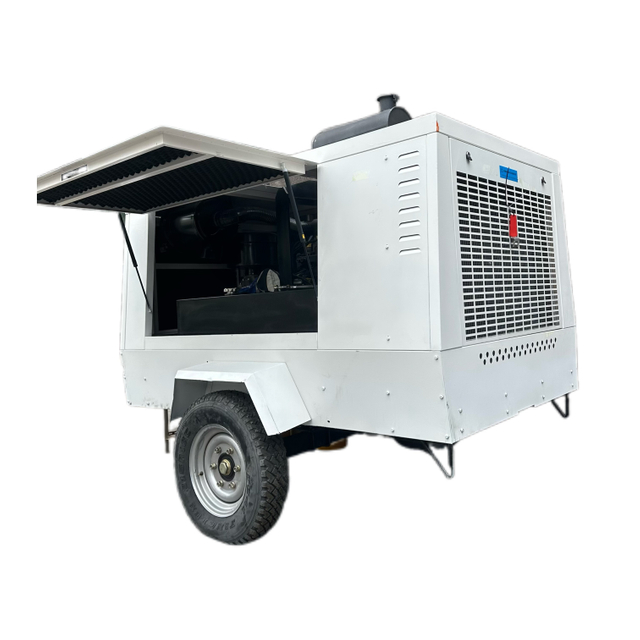
Air compressors come in several different types, each suited for specific tasks. Here are the three main types:
Type | Description | Ideal Applications |
Rotary Screw | Uses interlocking rotors to compress air continuously. | Continuous use in industrial settings (factories, plants). |
Reciprocating Piston | Uses a piston moving in a cylinder to compress air. | Occasional or light use, such as for powering smaller tools. |
Centrifugal | Converts energy into high-speed rotating air, then into pressure. | Large-scale operations needing high airflow and pressure. |
● Rotary Screw Compressors are ideal for environments where air compressors need to operate continuously. They are efficient and suited for heavy-duty industrial use.
● Reciprocating Piston Compressors are smaller and more affordable, making them great for home workshops and occasional use. They are commonly used for lighter tasks like inflating and powering smaller tools.
● Centrifugal Compressors are often used in high-demand operations such as power plants or large manufacturing facilities. These compressors move large volumes of air at high pressures.
Understanding these variations helps you select the right compressor for your needs and maximize its efficiency.
Proper preparation is essential to ensure your air compressor operates safely and efficiently. Follow these steps before starting up your compressor.
Air compressors pressurize air, and mishandling them can be hazardous. Take the following precautions:
● Wear protective gear: Always wear safety goggles, ear protection, and gloves when operating an air compressor. The pressurized air can cause debris to fly, which can cause injuries if not properly managed.
● Check the work environment: Ensure your workspace is free of flammable materials and that there is sufficient ventilation, especially when working indoors. Poor ventilation can lead to heat buildup, increasing the risk of fire.
● Ensure stability: Make sure your air compressor is placed on a flat, stable surface. If the compressor is unstable, it can tip over, causing damage or creating an unsafe environment.
● Use the proper power source: Always connect your compressor to a properly grounded outlet to reduce the risk of electrical shock.
Before turning on your air compressor, perform a quick inspection to avoid operational issues. Here's a checklist of what to look for:
Inspection Task | What to Check | Why It’s Important |
Oil Level | Check the oil gauge or dipstick. | Ensures proper lubrication and prevents overheating. |
Leaks | Inspect the air hoses and compressor for air leaks. | Leaks can reduce efficiency and increase safety risks. |
Placement | Ensure the compressor is on a flat, stable surface. | Prevents tipping and ensures proper operation. |
Once the inspection is complete, it's time to set up your air compressor. Proper setup ensures safe and efficient operation. Follow these steps:
Plug the air compressor into a properly grounded electrical outlet. Make sure the outlet matches the compressor’s voltage requirements. Avoid using extension cords if possible, as they can cause a voltage drop and strain the compressor.
Attach the air hose to the compressor using the appropriate fittings. Secure the hose tightly to avoid air leaks. If necessary, use PTFE tape on the threaded ends to create a tighter seal.
Ensure the air hose is securely connected to avoid leaks, which can waste energy and reduce the performance of the compressor. Tighten any threaded connections to ensure no air escapes during operation.
With your air compressor set up and ready to go, it's time to start using it. Proper operation ensures that your compressor runs efficiently and lasts longer.
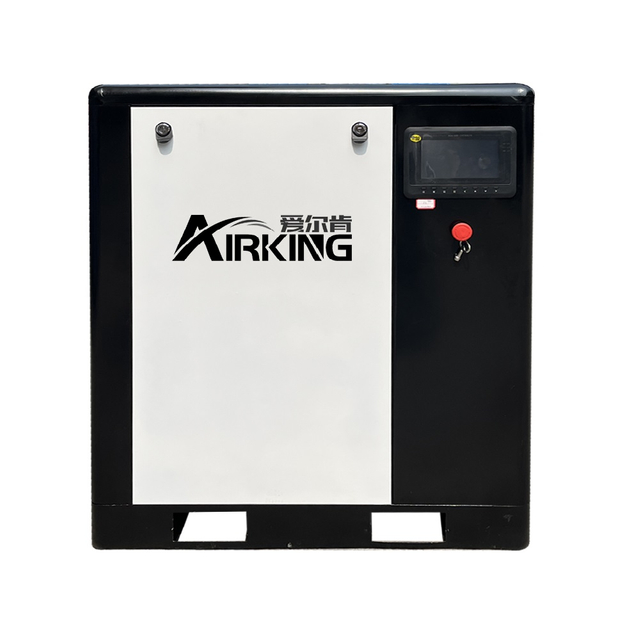
1. Power up the compressor: Switch on the compressor, which will engage the motor and begin filling the tank with compressed air. You will hear the motor start, and the tank will pressurize.
2. Monitor the pressure: Check the pressure gauge as the tank fills. The compressor will shut off automatically when the preset pressure is reached. It is essential to adjust the pressure to the required level for your task, whether for light-duty tools or more industrial applications.
Once the compressor is pressurized, you can use it to power pneumatic tools such as nail guns, impact wrenches, and spray guns. Here's how to do it:
1. Adjust the PSI: Different pneumatic tools require different air pressures. Before using a tool, check the specifications to determine the PSI needed. Use the pressure regulator to adjust the compressor to the required setting.
2. Connect the tools: Attach the air hose securely to the tool. Make sure the hose is tightly connected to prevent air leaks that can lower efficiency.
3. Monitor pressure during use: Keep an eye on the pressure gauge. If the pressure drops too low, the compressor will restart to fill the tank. This ensures that your tools continue to get the air they need to operate effectively.
Regular maintenance is essential for ensuring that your air compressor operates efficiently over time. A well-maintained compressor will last longer and perform better.
Here are some key maintenance tasks to keep your air compressor in top condition:
● Drain moisture: After each use, open the drain valve to release any moisture that has accumulated in the air tank. This prevents rust and corrosion.
● Check the air filter: Clean or replace the air filter regularly. A clogged filter reduces airflow and can cause the compressor to overheat.
● Change the oil: For oil-lubricated compressors, change the oil regularly to ensure proper lubrication of the moving parts.
To extend the lifespan of your air compressor:
● Inspect regularly: Check for leaks, loose fittings, and signs of wear and tear.
● Store properly: Store the compressor in a clean, dry place when not in use. Avoid extreme temperatures and humidity, which can cause damage.
● Follow the manufacturer's guidelines: Stick to the recommended maintenance schedule and instructions provided by the manufacturer.
Proper shutdown and storage are just as crucial as the setup and operation of your air compressor. By following the correct procedures, you can ensure that your compressor stays in good condition, extends its lifespan, and is always ready for the next use. Here’s a more detailed guide on how to properly shut down and store your air compressor.
1. Turn off the compressor The first step in shutting down your air compressor is to turn off the motor. Locate and press the stop button or switch to safely power down the unit. This ensures that the motor stops running and that the compressor no longer builds pressure in the tank. Make sure the machine is off before proceeding to the next steps to avoid any risks.
2. Release the pressure After turning off the compressor, the next step is to release the pressure from the tank. Open the drain valve to let out any remaining air and moisture that have accumulated in the tank during use. This is a critical step because any moisture left inside the tank can lead to rust and corrosion over time, damaging the internal components. Draining the moisture helps keep the compressor in good working condition, ready for future use.
3. Unplug the power supply Once the tank is depressurized and the compressor has cooled down, it’s safe to unplug the power supply. Leaving the compressor plugged in could lead to electrical hazards, so it’s best to disconnect it when not in use. Allow the compressor to cool down fully before unplugging to ensure that no hot components are touched. This simple action prevents the risk of electrical issues and ensures a safe storage environment.
Proper storage ensures that your air compressor remains in optimal working condition, preventing damage from environmental factors and readying it for the next time it’s needed.
● Store in a dry, temperature-controlled area Air compressors are sensitive to environmental conditions. Humidity and extreme temperatures can cause rust, corrosion, or deterioration of internal components. Always store the compressor in a dry, cool, and well-ventilated area. A temperature-controlled space will protect the machine from humidity, which could otherwise lead to rust inside the tank and other critical parts.
● Remove the hose and clean the compressor Before storing your air compressor, remove the air hose from the unit. Keeping the hose connected when not in use can cause kinks, wear, or pressure build-up that could affect the compressor's performance. After detaching the hose, clean the compressor thoroughly to remove any dust, dirt, or debris that may have accumulated on the surface and inside the unit. Dirt and debris can clog air filters or other components, potentially affecting the compressor’s efficiency. Use a soft cloth or brush to wipe down the external parts and clean any filters if needed.
● Check oil and maintenance For oil-lubricated models, check the oil level before storing the compressor. If the oil is low, top it off or change it according to the manufacturer’s recommendations. Over time, oil may degrade or settle, leading to poor lubrication and potential damage to the compressor’s internal parts. Performing this maintenance task ensures that your air compressor will continue to run smoothly when it’s next used.
● Cover the compressor if needed If your air compressor is going to be stored for an extended period, consider using a protective cover. This will help shield it from dust, dirt, or other particles that could cause wear and tear over time. A cover also helps protect the compressor from sudden temperature changes and helps prevent rust buildup.
Even with regular maintenance, you may encounter issues with your air compressor. Here are some common problems and solutions:
This could be caused by:
● Air leaks: Inspect the hoses and the tank for leaks.
● Faulty pressure switch: The pressure switch might be malfunctioning.
● Clogged air filter: A dirty filter can obstruct airflow, preventing the compressor from building pressure.
Excessive noise could be due to:
● Lack of lubrication: Ensure the compressor has enough oil.
● Mechanical friction: Worn-out parts may cause friction and noise.
● Air leaks: A leaking hose or fitting can cause the compressor to work harder, generating more noise.
Operating an air compressor effectively involves proper preparation, operation, and regular maintenance. By following safety guidelines, adjusting pressure according to your task, and performing routine maintenance, you’ll ensure your air compressor continues to perform well for years to come. For those looking for reliable air compressor solutions, Chieftech Metal Technology Co., Ltd. offers high-quality products designed for a variety of applications, providing exceptional value and performance.
A: Always check oil levels, inspect for leaks, and ensure proper placement on a stable surface. Wear protective gear and set the correct pressure for your task.
A: Check for air leaks, a clogged filter, or a faulty pressure switch. Regular maintenance can help resolve these issues.
A: Drain moisture from the tank after every use to prevent rust and maintain efficiency.
