
- All
- Product Name
- Product Keyword
- Product Model
- Product Summary
- Product Description
- Multi Field Search
Views: 0 Author: Site Editor Publish Time: 2025-12-09 Origin: Site


Have you ever wondered how industries maintain a constant, reliable supply of compressed air? A screw air compressor might be the answer. This essential piece of equipment plays a critical role in various sectors, including manufacturing and construction.
In this article, we will explore the design and working principles of rotary screw compressors. You’ll discover how they contribute to energy efficiency, continuous operation, and reliability, ensuring optimal performance across industries.
A rotary screw air compressor is a type of positive displacement compressor that uses two rotors—male and female—that interlock to compress air. This technology was developed in the 1930s and has evolved over time to become one of the most efficient and reliable compression methods used today. Compared to piston compressors, rotary screw compressors are more reliable because they have fewer moving parts, eliminating the need for valves and reducing the risk of imbalance or failure. This also makes them more suitable for long-term, continuous operation.
The main principle behind rotary screw compressors is positive displacement, meaning that the air is trapped, compressed, and then expelled by the rotating action of the rotors. This provides a consistent air flow, ideal for heavy-duty industrial applications that demand reliability and high performance. For operations requiring continuous air supply, screw compressors offer a more reliable solution than traditional piston compressors. The seamless and smooth operation, along with the absence of valves, reduces wear and tear, resulting in a longer service life and less frequent maintenance.
The heart of a rotary screw air compressor lies in its rotors. The male rotor drives the female rotor, and together, they trap and compress the air. Key components include:
Male and Female Rotors: These rotors are designed to mesh together, with the male rotor typically rotating faster than the female. The male rotor’s convex lobes and the female rotor’s concave cavities form a perfect fit to compress the air effectively.
Timing Gears: In some models, a timing gear ensures that the rotors remain perfectly synchronized, preventing damage due to misalignment and improving overall performance.
Lubrication Systems: These can either be oil-injected (for cooling and sealing) or oil-free, depending on the application’s need for air purity. Oil-injected systems use lubrication to reduce friction, while oil-free models ensure that no oil contaminates the compressed air, making them ideal for sensitive applications.
The choice of lubrication system (oil-injected or oil-free) significantly impacts air quality. Oil-free models are particularly beneficial for industries like food production, pharmaceuticals, and electronics, where air purity is a top priority.
| Component | Description | Function |
|---|---|---|
| Male Rotor | A convex rotor that rotates faster than the female | Drives the female rotor, compresses the air between them |
| Female Rotor | A concave rotor that rotates slower than the male | Complements the male rotor, helps in air compression |
| Timing Gear | Mechanism ensuring the synchronization of rotors | Maintains precise alignment between the male and female rotors |
| Lubrication System | Oil-injected or oil-free system | Provides cooling and seals the compression chamber |
| Compression Chamber | The area where air is compressed between rotors | Traps and compresses air, reducing its volume |
The operation of a rotary screw compressor is based on the principle of positive displacement. As the rotors rotate, air is drawn in between them. The space between the rotors decreases, compressing the air until it is released into a storage tank or system. The compression process is continuous, meaning the compressor can run without interruption, making it highly suitable for industrial applications that demand a steady airflow.
The absence of a duty cycle allows these compressors to operate seamlessly and efficiently, even in demanding environments. The use of two rotors in a synchronized manner ensures smooth, consistent operation with minimal wear on components, reducing the likelihood of breakdowns. Continuous operation is one of the greatest advantages of screw compressors, making them perfect for industries requiring constant airflow, such as automation and high-demand manufacturing sectors.
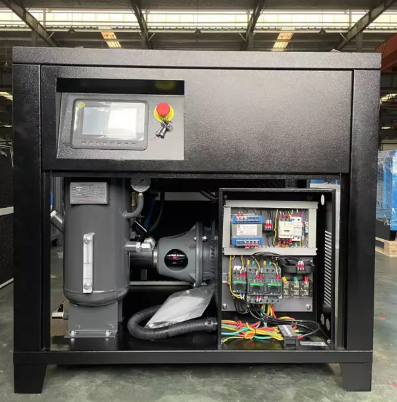
Oil-free screw compressors are designed to deliver clean, uncontaminated compressed air, which is critical in industries like pharmaceuticals and food production. These models eliminate the risk of oil contamination by using advanced rotor designs and precise engineering to ensure that the air remains free from oil particles. Oil-free compressors are ideal for environments where even the smallest trace of oil could disrupt production processes, such as in clean rooms or for medical equipment.
They also offer the advantage of producing high-quality air for sensitive processes, making them an essential tool in industries where contamination can lead to costly product recalls or downtime. If your operation requires the highest level of air purity, an oil-free rotary screw compressor is the best choice. These compressors ensure that the compressed air remains uncontaminated, which is essential for industries with strict cleanliness standards.
In oil-injected screw compressors, lubricating oil is used to cool and seal the compression elements. The oil forms a hydraulic seal between the rotors, improving efficiency and reducing wear. These compressors are ideal for heavy-duty industrial operations like manufacturing and automotive, where high airflow is required continuously. The oil used in these systems not only helps to cool the rotors but also reduces friction, which prolongs the life of the compressor.
However, the oil in these systems is filtered out before the air is released, ensuring that no oil enters the compressed air system. This makes oil-injected compressors highly effective for industries that require reliable compressed air but don’t need to meet stringent purity standards. Oil-injected models are better for industries where continuous, high-performance operation is critical, but air purity is less of a concern. They are ideal for tasks that involve tools and machinery but do not directly impact product quality.
| Feature | Oil-Free Rotary Screw Compressors | Oil-Injected Rotary Screw Compressors |
|---|---|---|
| Air Quality | High purity, no oil contamination | May have trace oil particles in compressed air |
| Applications | Pharmaceuticals, food production, electronics | Manufacturing, automotive, heavy-duty industries |
| Lubrication | No lubrication required | Uses oil to cool, seal, and lubricate the compressor |
| Energy Efficiency | Slightly less efficient due to oil-free operation | More efficient in heavy-duty applications |
| Maintenance | Lower maintenance, no need for oil filters | Requires regular oil and filter changes |
| Cost | Higher initial cost due to oil-free technology | Lower initial cost compared to oil-free models |
Variable-speed drive (VSD) compressors adjust their motor speed to meet the demand for compressed air, improving energy efficiency. In contrast, fixed-speed models operate at a constant speed, regardless of air demand. VSD compressors are more energy-efficient in applications where the air demand fluctuates, providing significant savings over time. The ability to adjust the motor speed based on real-time needs ensures that energy is only consumed when necessary, reducing waste.
If your production process involves fluctuating air demand, a variable-speed screw air compressor will help you save on energy costs. By reducing the compressor’s motor speed when less air is needed, it can significantly lower overall energy consumption and operational costs.
| Feature | Variable-Speed Rotary Screw Compressors | Fixed-Speed Rotary Screw Compressors |
|---|---|---|
| Energy Efficiency | Adjusts speed based on air demand, saving energy | Operates at constant speed, higher energy usage |
| Cost Efficiency | Higher upfront cost, but long-term savings | Lower initial cost, higher energy costs over time |
| Applications | Best for fluctuating air demand | Suitable for industries with constant air demand |
| Maintenance | More complex, requires skilled service | Simpler design, lower maintenance requirements |
| Operational Costs | Reduced energy costs over time | Higher energy consumption, leading to higher costs |
Screw compressors are designed with energy efficiency in mind. Variable-speed drives and optimized motor speeds help minimize energy consumption, resulting in lower operational costs. These compressors are especially effective in industries with varying air needs, as they adjust power consumption to match demand. In addition, the improved design of modern rotary screw compressors minimizes mechanical and volumetric losses, further enhancing efficiency.
Investing in a variable-speed rotary screw compressor can significantly reduce your energy bill, especially in industries with fluctuating air usage. A VSD compressor adapts its speed based on the workload, reducing unnecessary power consumption.
Unlike piston compressors, which need to cycle on and off, rotary screw compressors can run continuously without compromising efficiency. This continuous operation makes them ideal for industries that require 24/7 compressed air, such as manufacturing, construction, and food packaging. The reliable performance of these compressors means businesses can rely on them to meet high demands without the risk of downtime.
The ability to operate continuously makes screw compressors a reliable solution for businesses that can't afford downtime. Industries with high demands on air supply, such as automotive or food packaging, benefit from the constant, uninterrupted airflow provided by screw compressors.
One of the standout features of rotary screw compressors is their compact design, making them suitable for environments with limited space. Additionally, these compressors operate quietly, which is essential for workplace installations that need to minimize noise pollution. Their small footprint and low noise levels make them ideal for point-of-use installations, ensuring they don’t disrupt operations in sensitive environments.
If space and noise are a concern, screw compressors are an ideal choice due to their small footprint and quiet operation. These features make them especially suitable for offices or facilities where noise control is important.
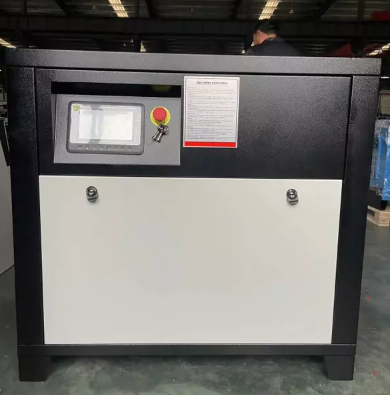
Rotary screw air compressors are widely used in heavy industries like automotive manufacturing, aerospace, and construction. These industries require reliable, continuous compressed air for running pneumatic tools, automation systems, and other heavy machinery. The versatility of rotary screw compressors makes them suitable for both small workshops and large industrial plants. Their ability to perform efficiently under high demands and tough conditions has made them the go-to choice for industrial applications worldwide.
In high-demand industries, rotary screw air compressors ensure that operations run smoothly, without interruptions due to compressed air supply issues. They are crucial in industries like manufacturing, where downtime can result in significant losses.
Screw compressors are not limited to large industrial operations. Small to medium-sized businesses, including construction sites and remote mining operations, benefit from the portability and robustness of smaller rotary screw air compressors. These compressors can be easily installed and provide a constant supply of compressed air even in challenging environments. The mobility and efficiency of these machines make them invaluable for businesses that require reliable air supply in varied or temporary locations.
Small and medium businesses can also leverage rotary screw compressors for efficient, continuous compressed air supply, even in remote locations. These versatile units offer flexibility without sacrificing performance.
When selecting a screw air compressor, consider the following factors:
Sizing: Match the compressor’s airflow (CFM) and pressure (PSI) capabilities to your specific needs. Oversized compressors can waste energy, while undersized compressors might not meet your demands.
Energy Efficiency: Choose compressors with variable-speed drives if your application has varying air demands.
Maintenance and Support: Ensure reliable maintenance options are available to reduce downtime. Regular service checks can help extend the life of your compressor.
Properly sizing your compressor to meet specific air demand will help you avoid both underperformance and unnecessary energy costs. Choosing the right size compressor can help optimize energy efficiency and ensure reliable air supply.
While the initial cost of rotary screw compressors can be higher than piston compressors, they provide substantial long-term savings. Consider the total lifecycle cost, including energy usage, maintenance, and potential downtime. The higher efficiency and durability of screw compressors ensure a quicker return on investment. Additionally, variable-speed models can further reduce operating costs over time, making them an excellent choice for businesses focused on long-term savings.
While rotary screw compressors may require a higher initial investment, their energy efficiency and low maintenance costs make them a worthwhile long-term investment. By considering the total lifecycle cost, you can better evaluate the compressor's true value.
Rotary screw air compressors are essential for industries that need a constant and reliable supply of compressed air. Whether for large industrial processes or smaller businesses, these compressors offer flexible options. They provide value through energy efficiency, proper sizing, and low maintenance, which helps companies optimize their operations, reduce long-term costs, and ensure consistent air supply.
When choosing a screw air compressor, it's important to balance energy efficiency and reliability with your specific operational needs. This ensures the best return on investment. Understanding your requirements will guide you in selecting the most suitable compressor.
For high-performance solutions, AIRKING offers reliable and efficient rotary screw air compressors. With their focus on durability and efficiency, AIRKING products are designed to meet the needs of diverse industries, ensuring long-term value and enhanced productivity.
A: A rotary screw air compressor is a type of positive displacement compressor that uses two interlocking rotors to efficiently compress air. It's ideal for industries needing continuous airflow.
A: A screw air compressor works by trapping air between two interlocking rotors and compressing it as the rotors rotate. This provides continuous, reliable air flow.
A: Screw air compressors offer continuous operation, energy efficiency, and lower maintenance compared to other compressor types, making them perfect for demanding industrial applications.
A: Industries like manufacturing, food production, and pharmaceuticals benefit from screw air compressors due to their reliability, energy efficiency, and ability to provide pure compressed air.
A: The cost of a screw air compressor varies based on size, efficiency, and type (oil-free or oil-injected). Generally, they require a higher upfront investment but offer long-term savings through energy efficiency.
